
In the 18th – first half of the 20 th centuries, representatives of the Hoshkevych family played a prominent role in the history of church and religious life in Ukraine. Despite its value, the archive, which was stored in the funds of the Kherson Regional Universal Scientific Library named after Oles Honchar, has long remained in the shadow of Ukrainian research. Unfortunately, as a result of repeated barbaric and cynical attacks by the Russian army in November 2023, the library building was destroyed, and the fate of the archive that was stored there is currently unknown. Therefore, the author of the project decided to publish most of the documents from the archive in order to bring them into scientific circulation and preserve them for future research (Shevchenko, А. 2024 Family Archive of Priest Leonid Hoshkevych (1868-1963). Zaporizhzhia Historical Review (the article has been accepted by the editors for publication in issue 2, 2024, publication is expected at the end of 2024)
Kherson Regional Universal Scientific Library named after Oles Honchar after the shelling in November 2023
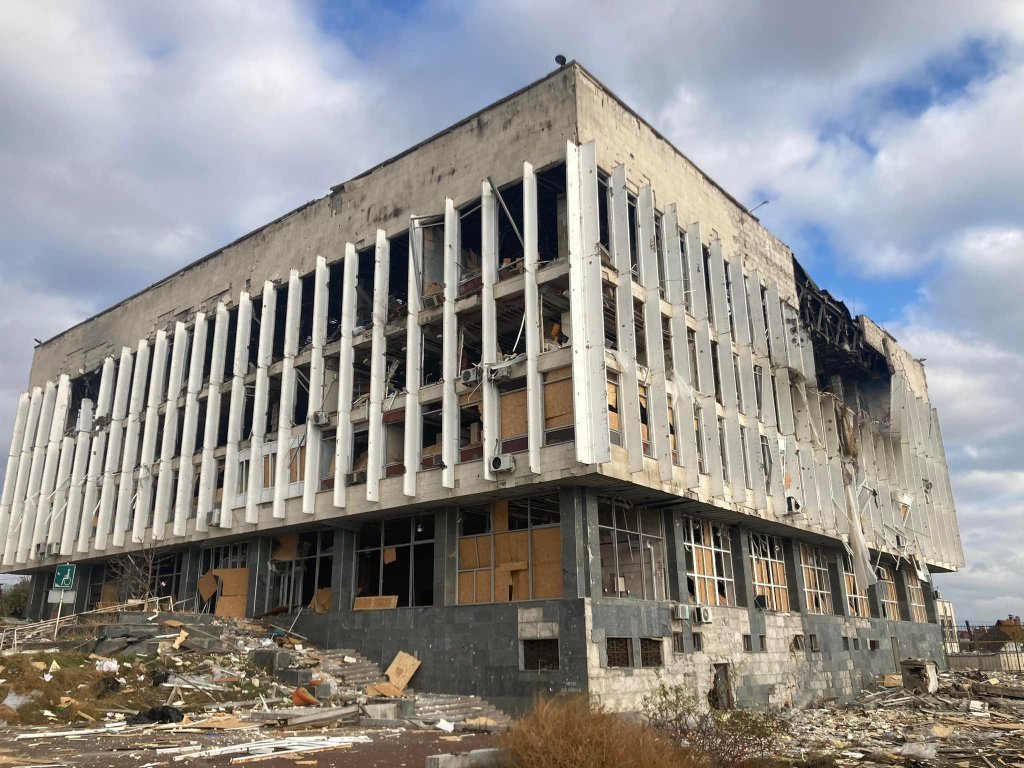


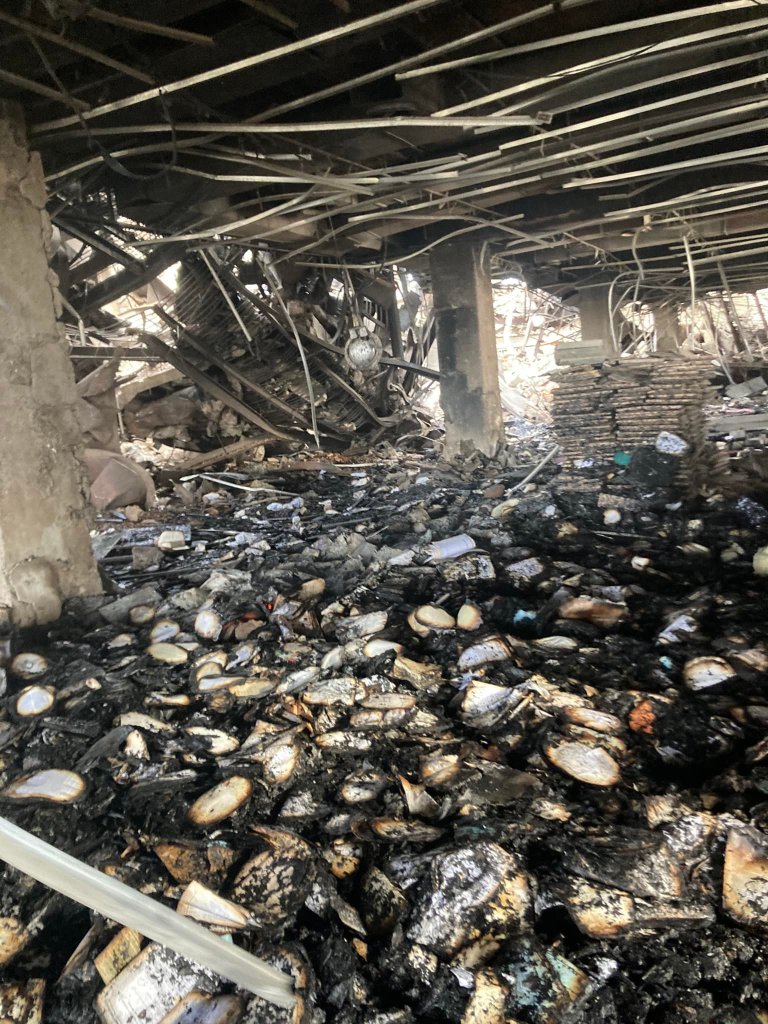

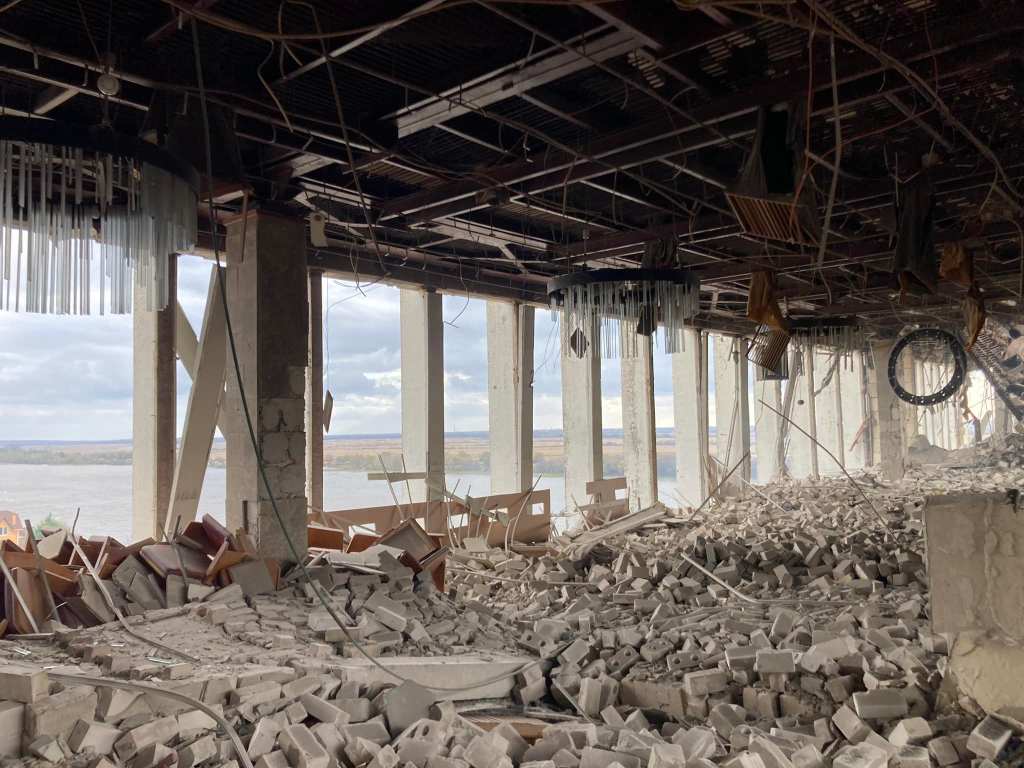

Photos source: Facebook post by Volodymyr Klutsevskyi, Deputy Head of the Kherson Regional Military Administration. URL:https://www.facebook.com/share/p/Dit9Uo5WrHWyfu1E/?mibextid=WC7FNe. (access date: December 20, 2023)
You will be able to read more about the structure of the archive in the article “Family Archive of Priest Leonid Hoshkevych (1868-1963)“, which is scheduled to be published in Zaporizhzhia Historical Review (issue 2),in late 2024.
I am very grateful to the directorate and staff of the Kherson Regional Universal Scientific Library named after Oles Honchar for their help in searches, provided materials of Leonid Hoshkevych’s archive and in general for their professionalism!
Permission to publish the archive’s documents was granted by the head of the Department of Rare and Valuable Publications of the Kherson Regional Universal Scientific Library named after Oles Honchar in October 2022, when the city was still under Russian occupation. This text, written ‘by hand’ on a sheet of a school notebook, is a vivid testament not only to the difficult conditions in which Kherson librarians worked, but also to their courage and dedication.

 UA STUDIES IN SWITZERLAND